
Often derived from purified salmon or trout DNA, polynucleotides boast a high biocompatibility with human tissue. When injected into the skin, they do not simply fill lines; they actively heal the skin from within.
AT A GLANCE
TREATMENT TIME
45 minutes
NUMBING
Topical anaesthetic
RECOVERY TIME
1 day
BEST RESULTS
3 months
What are Polynucleotides?
Polynucleotides are naturally occurring molecules made up of chains of nucleotides—the building blocks of DNA and RNA. In aesthetic and regenerative medicine, purified polynucleotides are used to support the skin’s natural repair processes, helping improve hydration, elasticity, and overall skin quality.
Polynucleotide treatments work by stimulating tissue regeneration and encouraging the production of collagen and elastin. They can help improve the appearance of fine lines, skin texture, and signs of environmental damage while promoting healthier-looking skin.
Potential Benefits of Polynucleotide Treatments
- Improved skin hydration
- Enhanced skin elasticity and firmness
- Support for collagen production
- Improved skin texture and tone
- Reduction in the appearance of fine lines
- Support for skin repair and regeneration
ICONA® Pn Key Ingredients & Technology
ICONA® Pn + FACE
- Polynucleotides (40mg/ml)
High-purity, high-strength polydeoxyribonucleotide chains derived from salmonid DNA, designed to support fibroblast-associated activity and extracellular matrix integrity, contributing to progressive, visible dermal skin-quality improvement. - Hyaluronic Acid (20mg/ml)
Non-crosslinked, ultra-pure HA provides deep hydration and matrix support — boosting elasticity and plumpness without altering facial structure. - R³ Technology™
A proprietary 3-phase regenerative mechanism:
• Repair — Cellular activation
• Restore — Collagen and elastin support
• Reinforce — ECM hydration and resilience
ICONA® Pn + BODY
- Polynucleotides (20mg/ml)
Moderate-strength polydeoxyribonucleotide chains derived from salmonid DNA, designed for use across larger dermal areas to support fibroblast-associated activity and contribute to improvements in skin tone, texture, and overall structural resilience over time. - Hyaluronic Acid (20mg/ml)
Hydrating support for skin elasticity and smoothness in body zones prone to laxity or scarring. - R³ Technology™
Tri-phase action focused on deeper dermal restoration for crepey or damaged body skin.
ICONA® Pn EYES
- Polynucleotides (15mg/2ml)
Lower-dose polydeoxyribonucleotide chains derived from salmonid DNA, formulated in a hyaluronic acid–based hydrogel matrix and physiological buffer solution, designed for use in delicate periocular tissue to support gradual dermal skin-quality improvement, including a more resilient appearance, refined texture, and improved skin tone over time. - Amino Acid Complex
Supports cellular repair and microcirculation in the periorbital region. - Carnosine
A potent antioxidant and anti-glycation peptide that protects against free radical and environmental stressors. - R³ Technology™
Gentle, layered repair designed for the delicate eye area.
Polynucleotide Aftercare
What to Avoid
For the first 24–48 hours after treatment, avoid:
- Touching, rubbing, or massaging the treated area.
- Applying makeup for at least 12–24 hours (or as advised by your practitioner).
- Strenuous exercise or activities that cause excessive sweating.
- Hot baths, saunas, steam rooms, and hot tubs.
- Excessive sun exposure and tanning beds.
- Alcohol consumption, as it may increase swelling and bruising.
- Facial treatments, chemical peels, or exfoliating products.
- Swimming pools and open water until the injection sites have healed.
Additional Advice
- Use a broad-spectrum SPF daily.
- Keep the skin clean and well moisturised.
- Follow any personalised aftercare instructions provided by your practitioner.
- Mild redness, swelling, tenderness, or bruising can occur and usually resolves within a few days.
Contact the clinic if you experience:
- Increasing pain or swelling.
- Signs of infection, such as spreading redness, warmth, or discharge.
- Any unexpected or concerning symptoms.

FAQs
For more general enquiries, please take a look at some of our frequently asked questions.
HOW CAN POLYNUCLEOTIDES BE USED?
Due to their restorative action, Polynucleotides can treat a variety of skin concerns, including:
- Acne and acne scarring
- General signs of ageing (fine and deeper lines and wrinkles)
- Trauma or surgical scarring
- Dehydrated skin
- Sagging skin losing elasticity
- Rosacea
- Hair loss (alopecia)
- Hyperpigmentation and sun damage
- Stretch marks
Areas that can be treated with Polynucleotides include the entire face and neck, décolleté, the eye area (they offer an alternative to dermal filler tear trough treatment), abdomen, arms and knees.
As a natural, regenerative injectable, Polynucleotides can also be used safely in conjunction with other injectables and skin treatments. These typically include laser resurfacing, radiofrequency, dermal fillers, signature facials, anti-wrinkle treatments and ultrasound treatments.
ARE POLYNUCLEOTIDES THE SAME AS DERMAL FILLERS?
No – dermal fillers are made from hyaluronic acid, which fills an area and attracts water, whereas injectable Polynucleotide serum doesn’t fill the space. It does have a moisturising effect by attracting water, but also acts as an antioxidant and an internal messenger, signalling to the dermis to grow new skin cells.
WHAT HAPPENS DURING A TREATMENT?
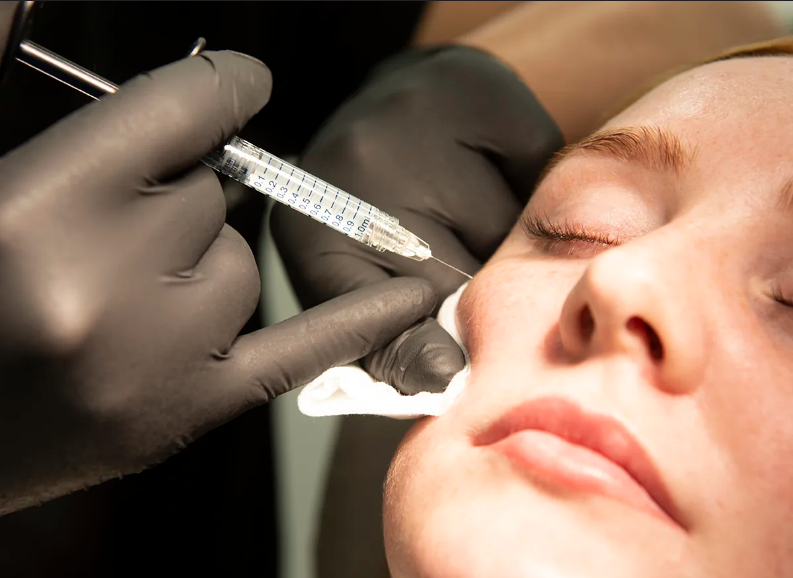
After completing some standard consent forms, you will be made comfortable in one of our treatment rooms. Your skin will be cleansed thoroughly and a topical anaesthetic, applied, for maximum comfort during the treatment. Once this has sufficiently numbed the treatment area, small injections of the Polynucleotides will be made at various points, where we feel that the Polynucleotides will benefit your skin concern. Once the treatment is complete, you can return to your daily activities, adhering to any aftercare advice, your practitioner offers.
IS THERE ANY DOWNTIME WITH POLYNUCLEOTIDE TREATMENTS?
There is no clinical downtime with this treatment. However, as with any injectable procedure, you might experience some slight bruising, swelling or tenderness at the injection sites, but this should subside within a few days.
HOW MANY TREATMENT SESSIONS WILL I NEED?
This does depend on your individual skin concerns, however, we will usually recommend 4 treatment sessions, 4 weeks apart for optimum results and then a maintenance session once every 6 to 12 months. Results should continue to improve in the months that follow your initial treatment sessions.